
Work
Resume

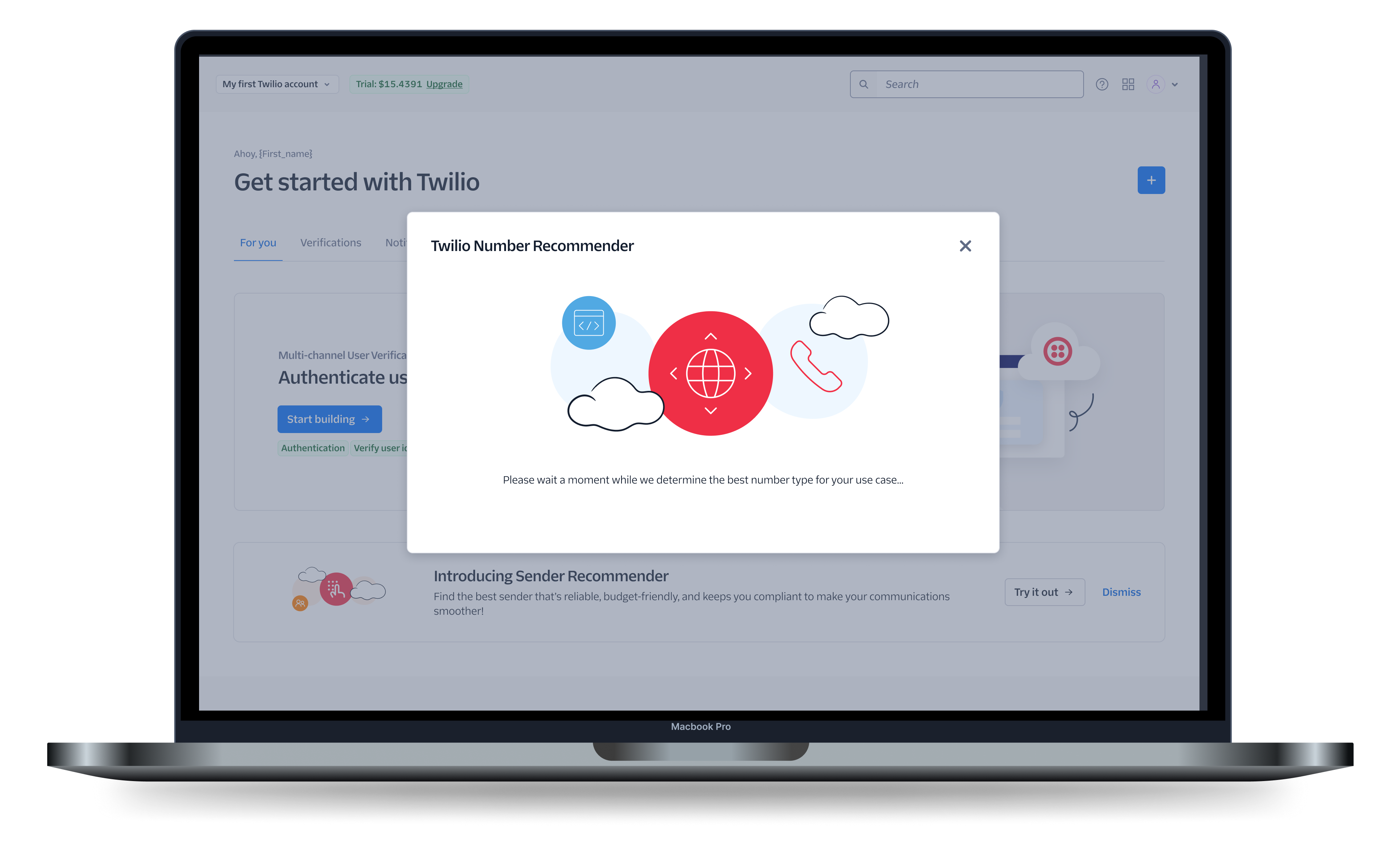
Number Recommender
Smart number selection that matches message to the perfect sender for use case.
Twilio | Jan-May 2025
Background & User Problem
In Q4 2024, the Onboarding team aimed to address one of the most complex challenges Twilio customers faced on their journey to CAM production: choosing the right sender for their use case. At the time, customers had to navigate country-specific PNs and messaging guidelines to determine the appropriate sender type based on their account and use case.
Impact & Goals
Goals:
- Simplified sender selection for customers
- Reduced errors and compliance processing time
- Built an internal API to generate sender type recommendations based on customer use case
- Developed in-console components to display regulatory guidelines alongside recommendations
Potential Impact: We expected this feature to have a significant impact on key KPIs, including a reduction in Customer Support tickets related to Regulatory Guidelines, a decrease in median time to CAM production, and an increase in conversion to CAM production.
My role
Writing for websites is both simple and complex. On the one hand, all you need to do is say what you mean and in your words.
Team
1 product designer, 1 product manager, 2 front end engineers and 1 back-end engineer
Process
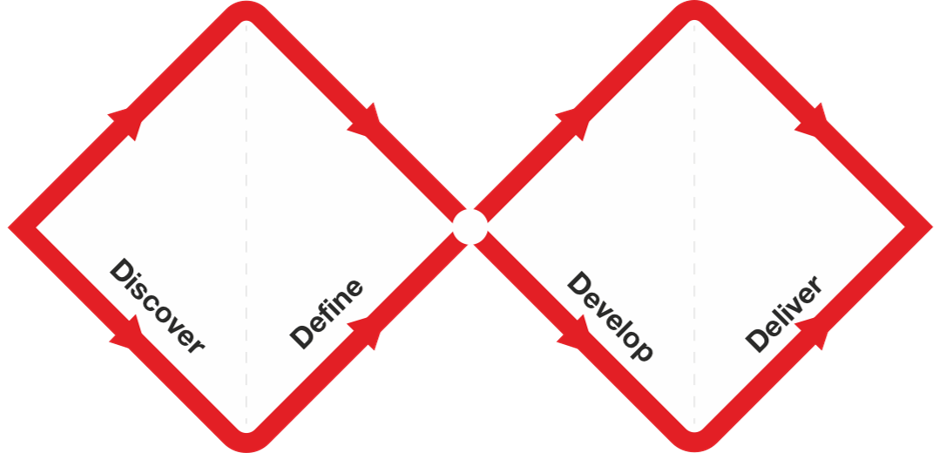
I built on the initial hypothesis by leading a fast, iterative design process to rapidly test and validate our ideas, ensuring product experiences were grounded in user feedback.
We released the experience to 25% of traffic into Twilio console
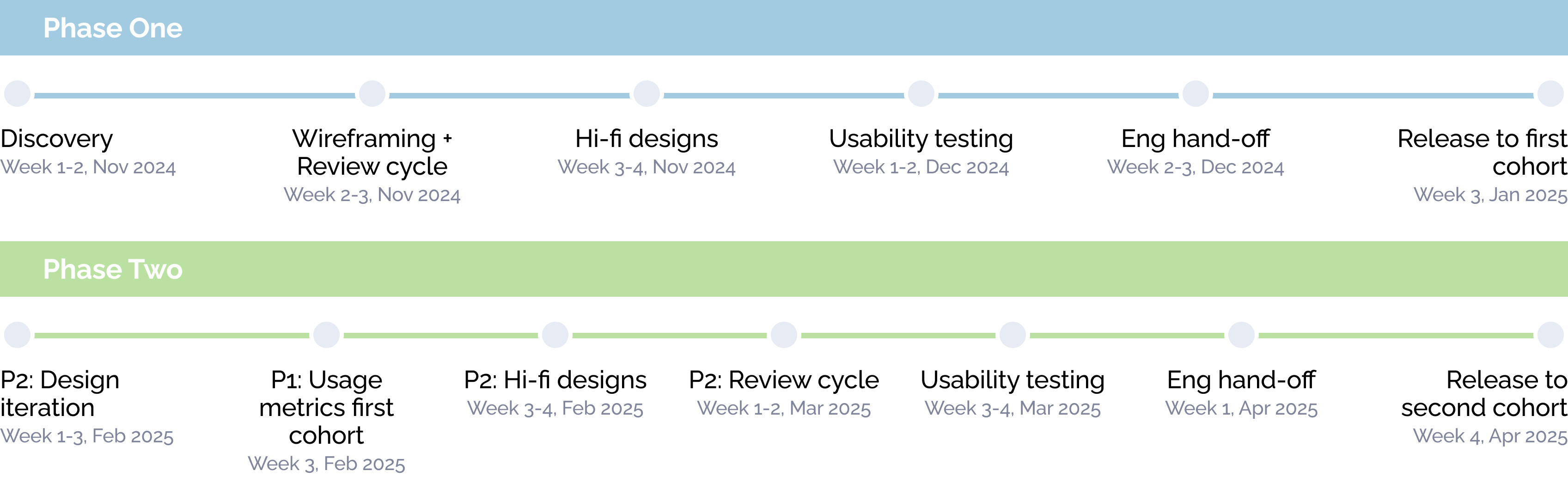
Timeline
Phase 1
I followed an iterative design process focused on usability and customer clarity. I began by mapping key user flows and creating low-fidelity wireframes to test basic assumptions. We introduced a simplified intent-capture questionnaire to guide the recommendation logic. Early versions used a questionnaire, but usability tests showed this added friction. I revised the flow to infer intent from minimal inputs, balancing user effort with system intelligence.
Each design cycle included usability testing, feedback synthesis, and rapid prototyping. I refined UI elements for clarity, adjusted copy to better explain options, and collaborated with engineering to align logic with customer behavior. This iterative approach led to a clean, guided experience that increased user confidence and supported informed purchasing decisions.
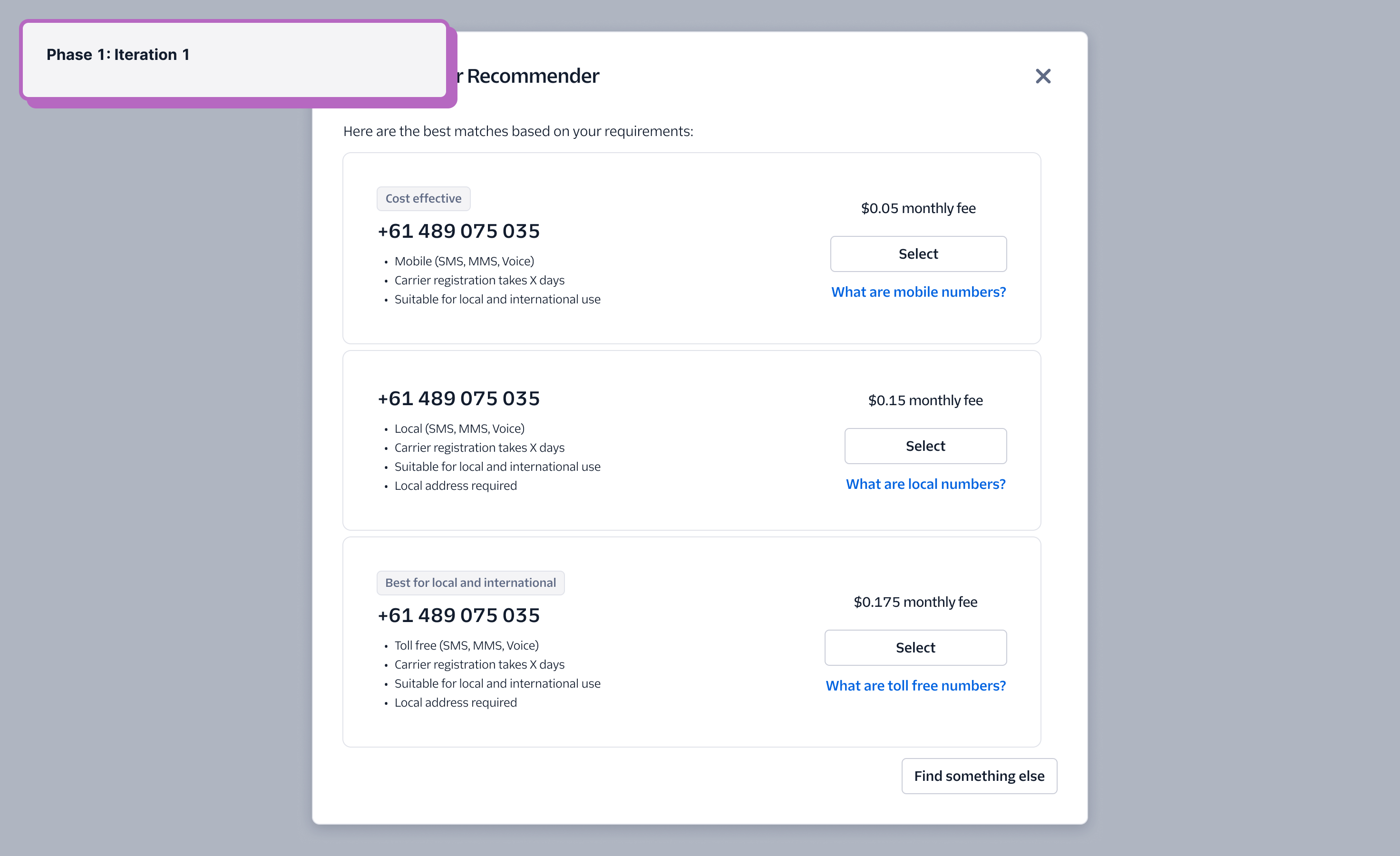
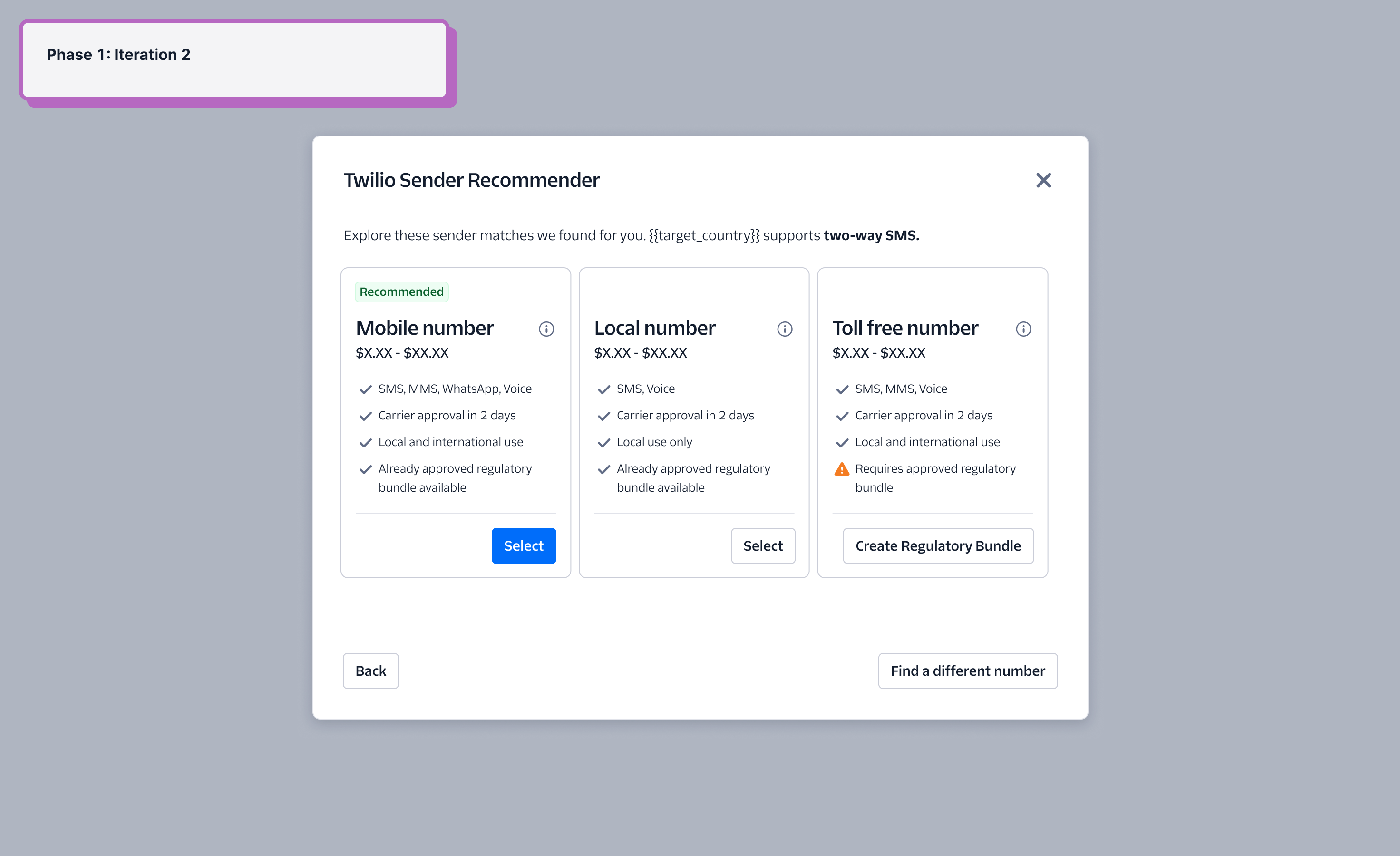
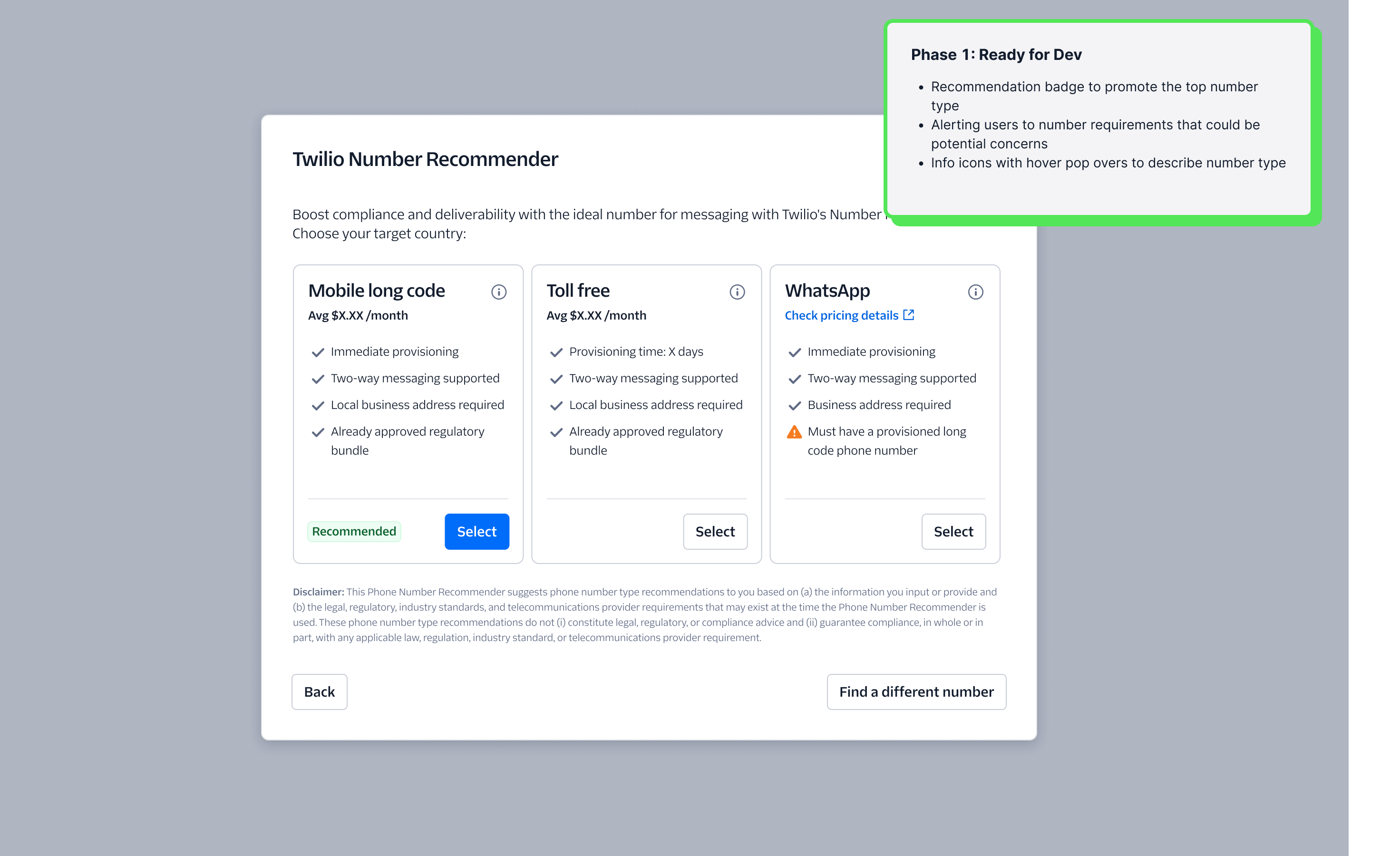
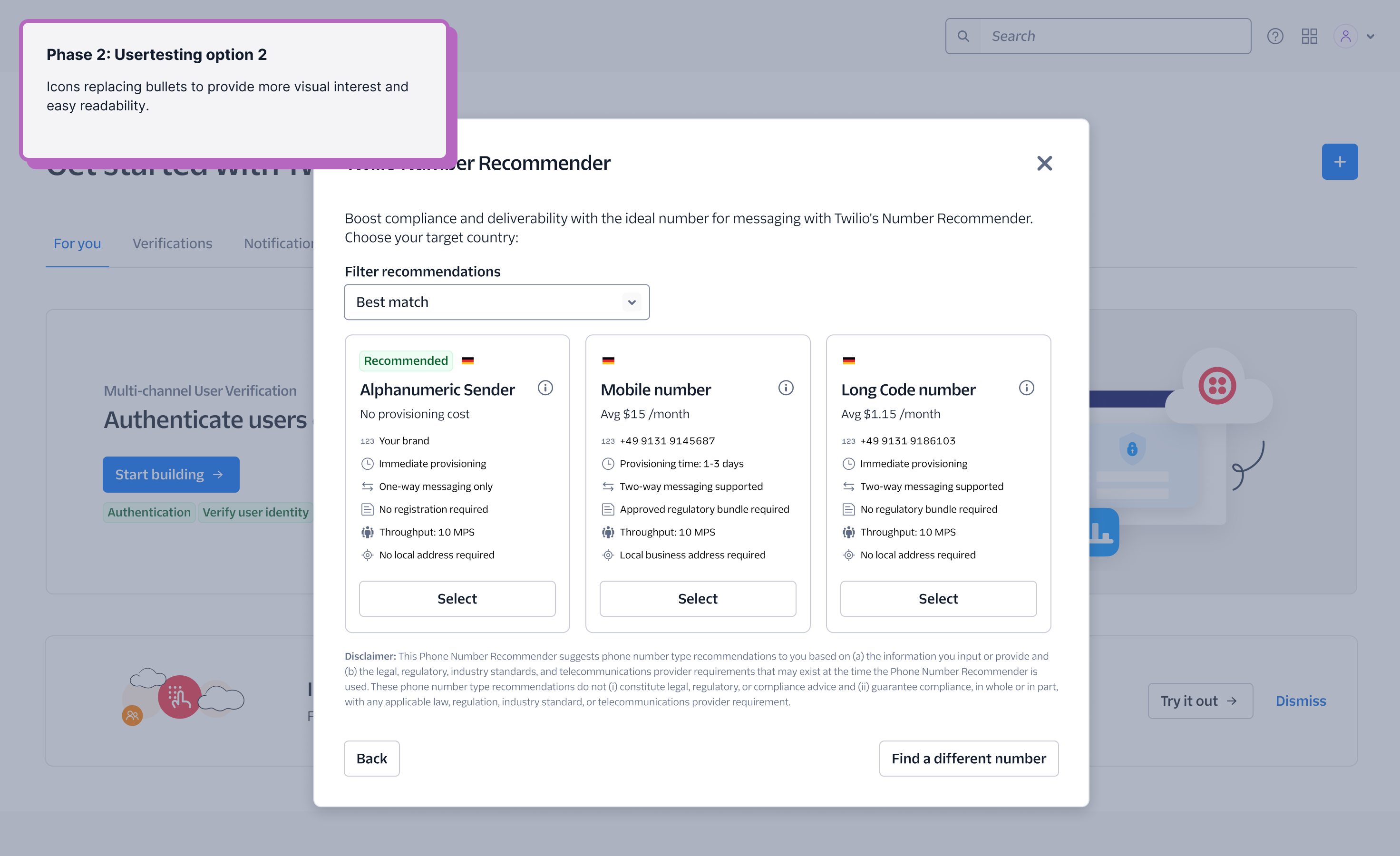
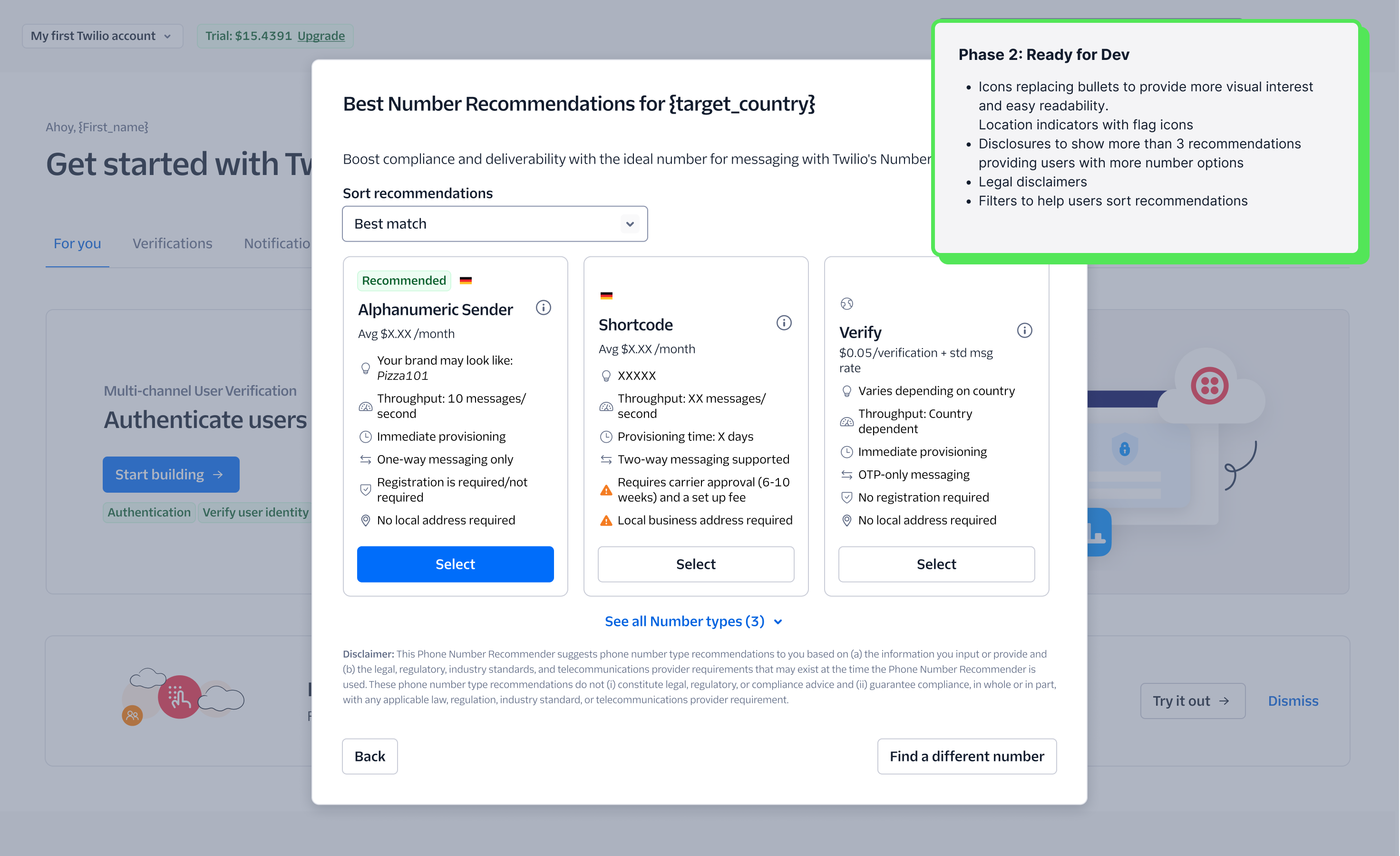
Designing the Number Type Recommendation Card
The goal was to create a clear visual hierarchy that highlights key decision-making content. I prioritized essential information—like the recommendation and its context—while keeping the layout clean and easy to scan. Strategic use of typography, color, and spacing made the card visually engaging and quickly parsable, helping users focus on what matters most.




Performance & Metrics
Test goals:
- Evaluate users' proficiency in selecting compliant SMS phone numbers.
- Assess the clarity of recommendations.
- Determine users' confidence levels and their informational requirements.
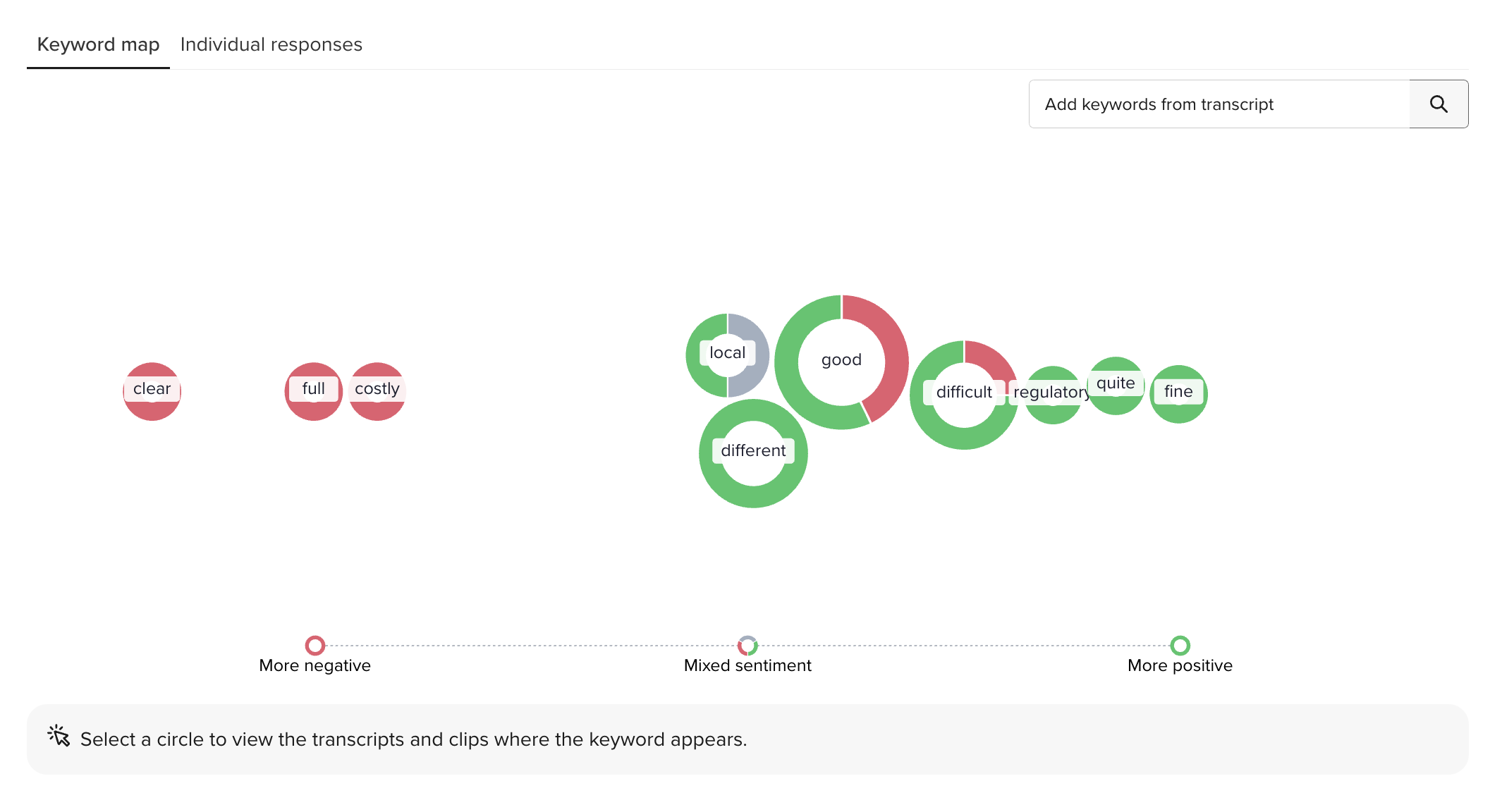
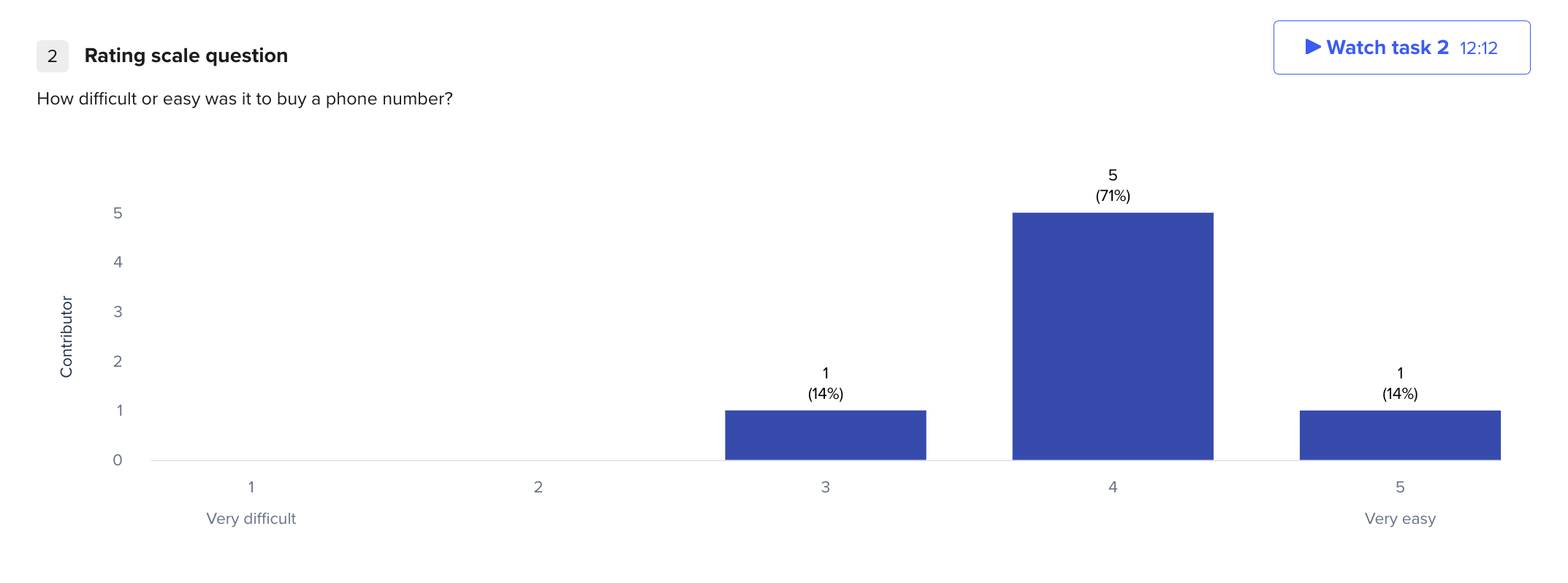
Results:
- Users found the term “Sender Recommender” confusing.
- It was unclear that “Try it out” led to purchasing a phone number.
- Costs and implications need to be explained more clearly.
- Some users wanted more information on country-specific regulations
Phase 1 released to 50% of upgraded customers In Feb 2025
Phase ONE
Early usage metrics

Explain the idea
Number Recommender tile. 817/12.3K customers clicked on the
In small parts
29.5% of the customers who start the wizard complete it.
Customer testimonial
“You should have a clear documentation on how to buy a phone number for third world countries like Brazil. The documentation presented so far was not direct nor practical.”
Bruno, a brazilian developer.
Phase 2
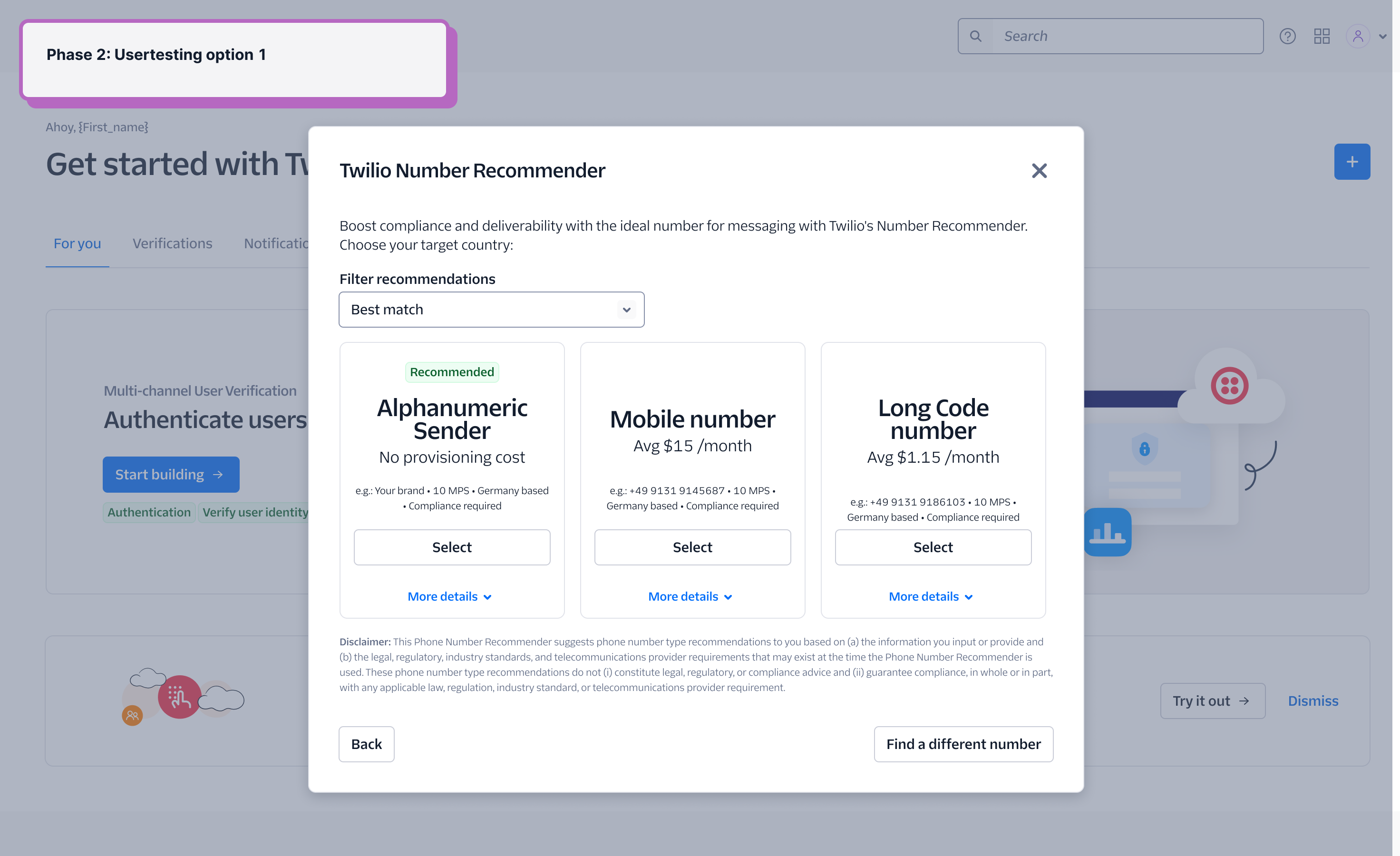
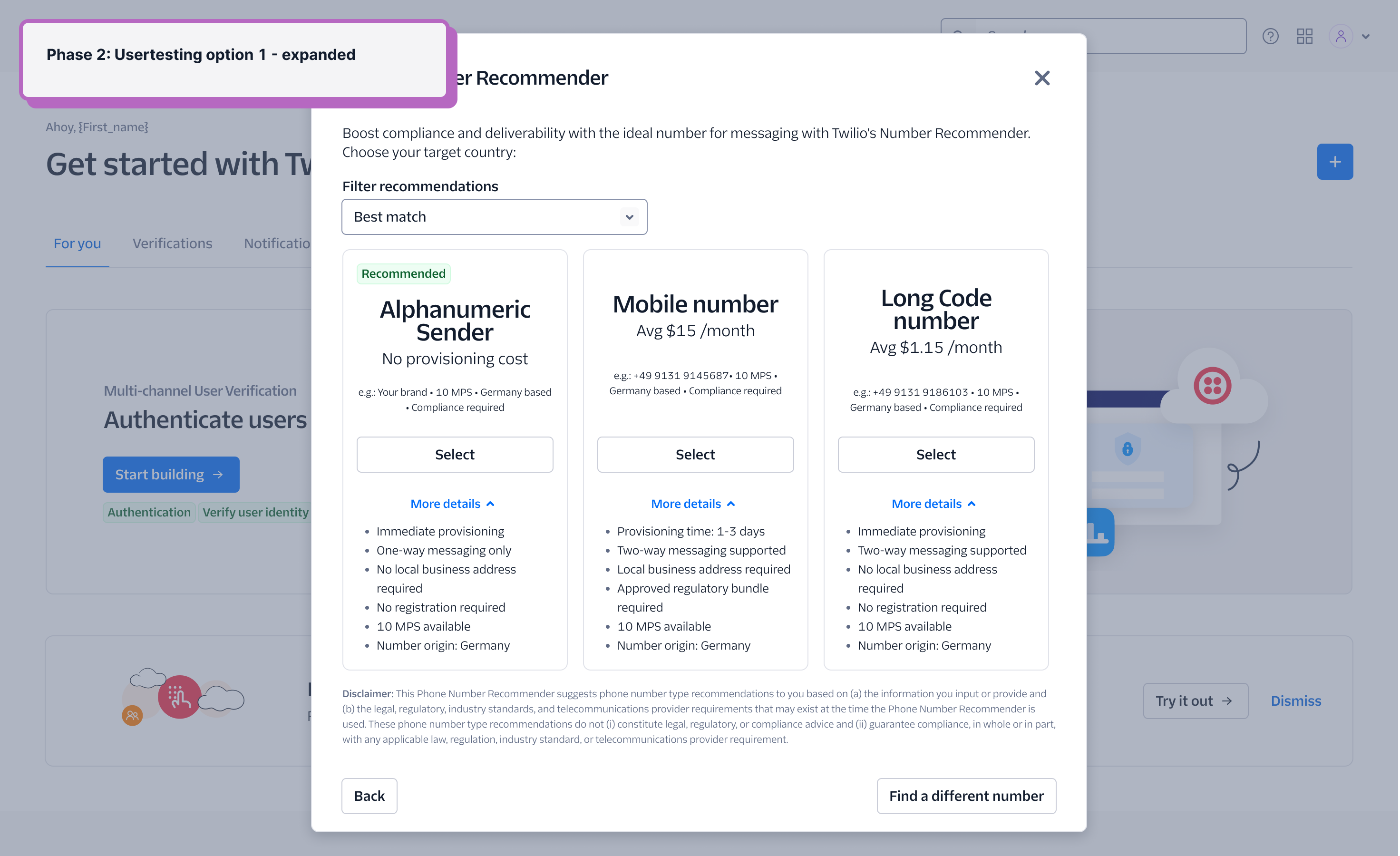
In March 2025, a fast follow to Phase 1 was released. CX enhancements including:
- Additional number type details (e.g. throughput limits, number format) and
- Recommendations filtering or sorting.
Phase TWO usage metrics
Explain the idea
Number Recommender tile. 817/12.3K customers clicked on the
In small parts
For customers who received a recommendation vs. those who only started the number recommender wizard
In small parts
For customers who received a recommendation vs. those who only started the number recommender wizard
Key takeaways
Future Plans & Next Steps
Following the strong results from Phases 1 and 2 of the Number Recommender we planned the next phase. Phase 3 will focus on expanding to more countries, improving the recommendation algorithm, and continuing toward making the Recommender the go-to way to buy numbers in Twilio’s console.
View more work samples
Work
Resume
Number Recommender
Smart number selection that matches message to the perfect sender for use case.
Twilio | Jan-May 2025
Background & User Problem
In Q4 2024, the Onboarding team aimed to address one of the most complex challenges Twilio customers faced on their journey to CAM production: choosing the right sender for their use case. At the time, customers had to navigate country-specific PNs and messaging guidelines to determine the appropriate sender type based on their account and use case.
Impact & Goals
Goals:
- Simplified sender selection for customers
- Reduced errors and compliance processing time
- Built an internal API to generate sender type recommendations based on customer use case
- Developed in-console components to display regulatory guidelines alongside recommendations
Potential Impact: We expected this feature to have a significant impact on key KPIs, including a reduction in Customer Support tickets related to Regulatory Guidelines, a decrease in median time to CAM production, and an increase in conversion to CAM production.
My role
Writing for websites is both simple and complex. On the one hand, all you need to do is say what you mean and in your words.
Team
2 product designers (including me), 1 product manager, 2 front end engineers and 1 back-end engineer
Process
I built on the initial hypothesis by leading a fast, iterative design process to rapidly test and validate our ideas, ensuring product experiences were grounded in user feedback.
We released the experience to 25% of traffic into Twilio console
Timeline
Phase 1
I followed an iterative design process focused on usability and customer clarity. I began by mapping key user flows and creating low-fidelity wireframes to test basic assumptions. We introduced a simplified intent-capture questionnaire to guide the recommendation logic. Early versions used a questionnaire, but usability tests showed this added friction. I revised the flow to infer intent from minimal inputs, balancing user effort with system intelligence.
Each design cycle included usability testing, feedback synthesis, and rapid prototyping. I refined UI elements for clarity, adjusted copy to better explain options, and collaborated with engineering to align logic with customer behavior. This iterative approach led to a clean, guided experience that increased user confidence and supported informed purchasing decisions.
Designing the Number Type Recommendation Card
The goal was to create a clear visual hierarchy that highlights key decision-making content. I prioritized essential information—like the recommendation and its context—while keeping the layout clean and easy to scan. Strategic use of typography, color, and spacing made the card visually engaging and quickly parsable, helping users focus on what matters most.


Usability Testing
Test goals:
- Evaluate users' proficiency in selecting compliant SMS phone numbers.
- Assess the clarity of recommendations.
- Determine users' confidence levels and their informational requirements.
Results:
- Users found the term “Sender Recommender” confusing.
- It was unclear that “Try it out” led to purchasing a phone number.
- Costs and implications need to be explained more clearly.
- Some users wanted more information on country-specific regulations.
Phase 1 released to 50% of upgraded customers In Feb 2025
Phase ONE
Early usage metrics
Explain the idea
Number Recommender tile. 817/12.3K customers clicked on the
In small parts
29.5% of the customers who start the wizard complete it.
Customer testimonial
“You should have a clear documentation on how to buy a phone number for third world countries like Brazil. The documentation presented so far was not direct nor practical.”
Bruno, a brazilian developer.
Phase 2
In March 2025, a fast follow to Phase 1 was released. CX enhancements including:
- Additional number type details (e.g. throughput limits, number format) and
- Recommendations filtering or sorting.
Phase TWO usage metrics
Explain the idea
Number Recommender tile. 817/12.3K customers clicked on the
In small parts
For customers who received a recommendation vs. those who only started the number recommender wizard
In small parts
For customers who received a recommendation vs. those who only started the number recommender wizard
Key takeaways
Future Plans & Next Steps
Following the strong results from Phases 1 and 2 of the Number Recommender we planned the next phase. Phase 3 will focus on expanding to more countries, improving the recommendation algorithm, and continuing toward making the Recommender the go-to way to buy numbers in Twilio’s console.
View more work samples
Work
Resume
Number Recommender
Smart number selection that matches message to the perfect sender for use case.
Twilio | Jan-May 2025
Background & User Problem
In Q4 2024, the Onboarding team aimed to address one of the most complex challenges Twilio customers faced on their journey to Customer Adoption Metrics (CAM) production: choosing the right sender or phone number for their use case. At the time, customers had to navigate country-specific PNs and messaging guidelines to determine the appropriate sender type based on their account and use case.
Impact & Goals
Goals
- Simplified sender selection for customers
- Reduced errors and compliance processing time
- Built an internal API to generate sender type recommendations based on customer use case
- Developed in-console components to display regulatory guidelines alongside recommendations
Potential Impact
We expected this feature to impact key KPIs, reducing Customer Support tickets, decreasing median time to CAM production, and increasing conversion to CAM.
My role
Lead product designer, user researcher and strategist
Team
1 product designer, 1 product manager, 2 front end engineers and 1 back-end engineer
Process
I built on the initial hypothesis by leading a fast, iterative design process to rapidly test and validate our ideas, ensuring product experiences were grounded in user feedback.
We released the experience to 25% of traffic into Twilio console
Timeline
Phase 1
I followed an iterative design process focused on usability and customer clarity. I began by mapping key user flows and creating low-fidelity wireframes to test basic assumptions. We introduced a simplified intent-capture questionnaire to guide the recommendation logic. Early versions used a questionnaire, but usability tests showed this added friction. I revised the flow to infer intent from minimal inputs, balancing user effort with system intelligence.
Each design cycle included usability testing, feedback synthesis, and rapid prototyping. I refined UI elements for clarity, adjusted copy to better explain options, and collaborated with engineering to align logic with customer behavior. This iterative approach led to a clean, guided experience that increased user confidence and supported informed purchasing decisions.
Designing the Number Type Recommendation Card
The goal was to create a clear visual hierarchy that highlights key decision-making content. I prioritized essential information—like the recommendation and its context—while keeping the layout clean and easy to scan. Strategic use of typography, color, and spacing made the card visually engaging and quickly parsable, helping users focus on what matters most.


Usability Testing
Test goals:
- Evaluate users' proficiency in selecting compliant SMS phone numbers.
- Assess the clarity of recommendations.
- Determine users' confidence levels and their informational requirements.
Results:
- Users found the term “Sender Recommender” confusing.
- It was unclear that “Try it out” led to purchasing a phone number.
- Costs and implications need to be explained more clearly.
- Some users wanted more information on country-specific regulations
In Feb 2025, Phase 1 was released to 50% of upgraded customers and supported four countries
Phase ONE
Early usage metrics
6.6% average CTR
817/12.3K customers clicked on the Number Recommender tile
293 unique wizard completions
29.5% of the customers who start the wizard complete it.
Customer testimonial
“You should have a clear documentation on how to buy a phone number for third world countries like Brazil. The documentation presented so far was not direct nor practical.” - Bruno, a Brazilian developer.
Phase 2
In March 2025, a fast follow to Phase 1 was released. CX enhancements including:
- Additional number type details (e.g. throughput limits, number format) and
- Recommendations filtering or sorting.
Performance metrics (Phase 2)
6.8% average CTR in second point of entry
14.5% for customers located in target countries
+53% increase in Regulatory Bundle submissions
For customers who received a recommendation vs. those who only started the number recommender wizard
-27% reduction in Regulatory Bundle rejection rate
For customers who received a recommendation vs. those who only started the number recommender wizard
Key takeaways
Future Plans & Next Steps
Following the strong results from Phases 1 and 2 of the Number Recommender we planned the next phase. Phase 3 will focus on expanding to more countries, improving the recommendation algorithm, and continuing toward making the Recommender the go-to way to buy numbers in Twilio’s console.
View more work samples